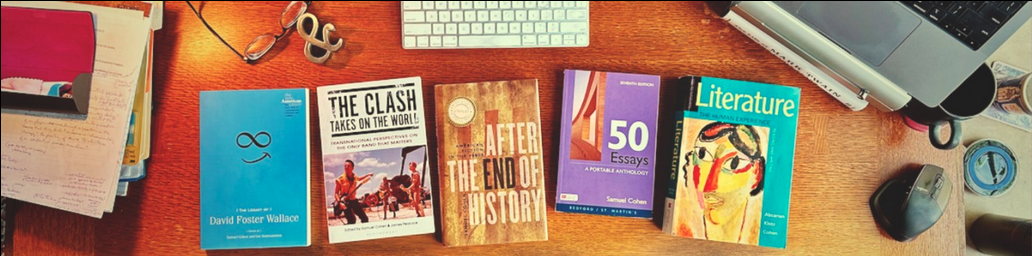
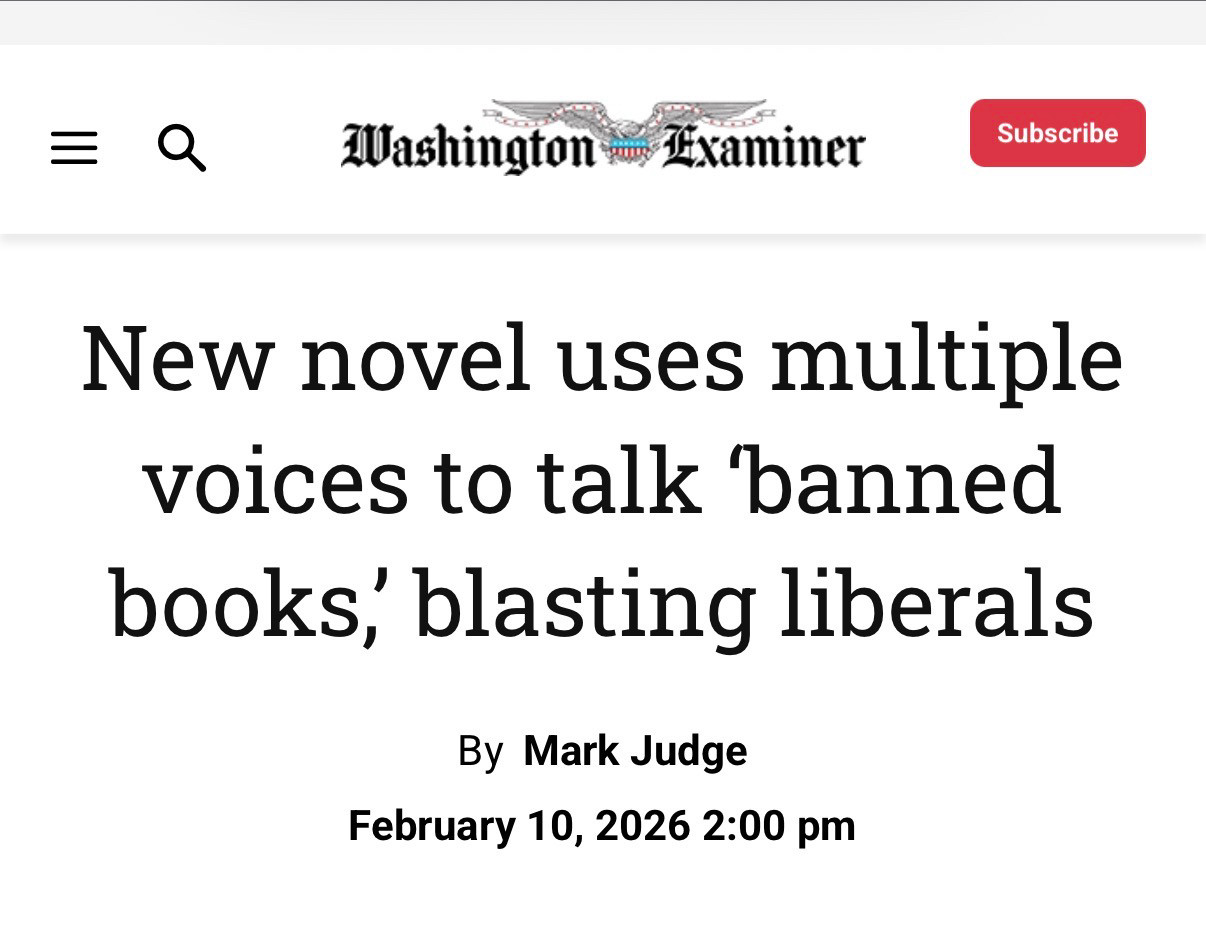
So a week from today, on February 19, 2026, a book I edited and wrote a little of is officially appearing in the world. It’s about something I think is important–the widespread effort to limit access in classrooms and libraries to books some people think should not be readily available. My press, Bloomsbury Academic, thinks the topic important and timely enough to do things like produce the beautiful banner below and market the book for a general audience.
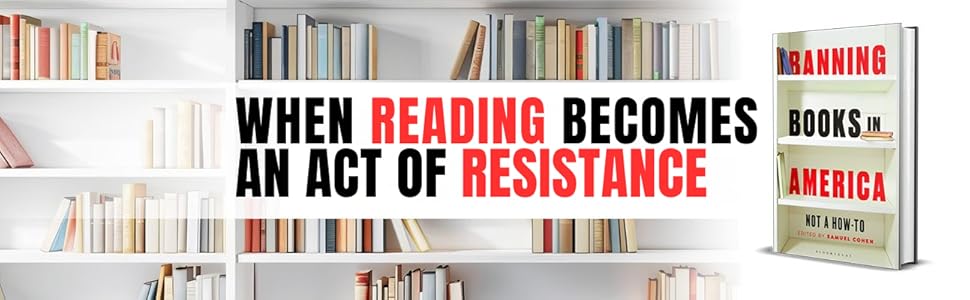
The Washington Examiner thinks it’s important enough to give space to (and presumably pay for, though I hope for their sake not too much) an op ed willfully misreading a book about it to score points against “liberals.”
Needless to say, our book isn’t a novel (I imagine this is not the author of the op ed’s fault, but it’s somebody else’s fault that this headline has been up for days). And it doesn’t “blast” “liberals.” It’s a collection of essays about attempts to keep certain books away from certain people. To the author’s glee, I write in the preface that we don’t ban books in the US but we use the phrase as shorthand for efforts to curtail access to books short of official government censorship. Saying this is not the same as admitting the whole thing is a hoax. In fact, when I say it, I say it in a way that someone reading in good faith would have to note is responding to exactly this kind of gotcha. (Please forgive the fading behind-the-paywall print.)

Okay, fine. The author is also very excited that a couple of contributors (I can’t tell if he talks about others–I won’t pay to get past the paywall, being familiar with the Washington Examiner, and interlibrary loan hasn’t come through yet, though believe me, it always does) say things that are similarly available to him as evidence, only if purposefully misunderstood, that book banning isn’t real or that actually only the left does any of it. The whole thing is pretty shabby.
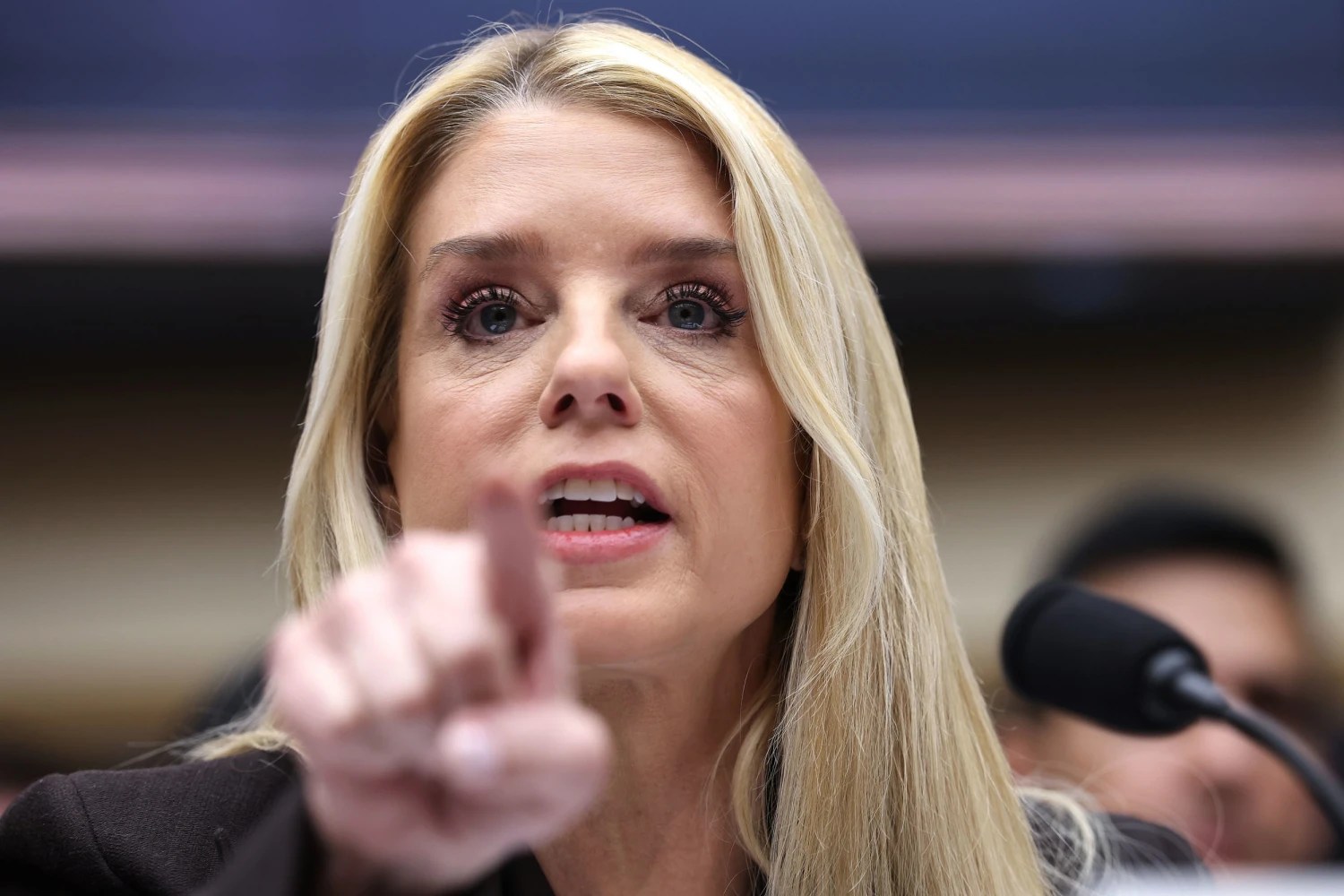
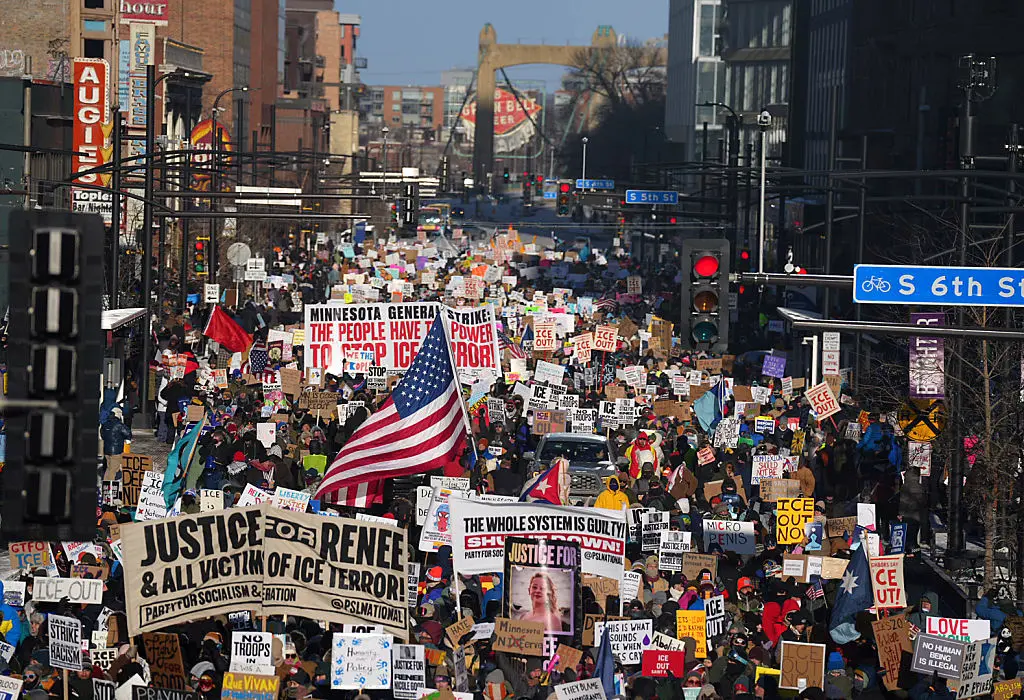
I mention this op ed not to settle scores (because, honestly) but to point out the strain it puts on itself to make its point–that this book about book banning, a thing it is not in favor of, is actually somehow a book that criticizes liberals for believing such a thing even exists–and the contempt that strain emerges from. The day after the op ed appeared, Attorney General and Mean Girl Pam Bondi appeared before Congress and put on a display of lies and contempt for the occasion and the institutions and people involved in it. Watching, I thought it displayed the same strain Mark Judge’s op ed shows: the strain of pretending not to be lying, shabbily. And it showed the same contempt for everyone and everything involved–in the op ed’s case, the readers of the op ed, the people who wrote the work he’s misrepresenting, publishing, intellectual work itself. People arguing that books say what they don’t or book banning is a hoax, or that the Department of Justice isn’t engaged in a coverup or, for that matter, that ICE isn’t racially profiling and kidnapping people off the street and putting them in concentration camps–these people have to put in a lot of effort just to make the effort, and the strain is really showing. And they put in the effort because they have no respect for the occasion, for the people they’re lying about, for the people they’re lying to, for the institutions they represent and the larger institutional context.
This might seem a little overblown. An op ed about a skinny collection of essays is obviously not an appearance before Congress or a press conference to lie about extrajudicial rendition or whatever they’re calling kidnapping people off the streets these days. But it’s a dishonest political act, an intellectually shabby one that shows the strain involved in pretending so hard that it’s not. An op ed about our little book is obviously not important in anything like the same way these actual crimes are, if lying to congress is still a crime. If it’s worth mentioning, it’s because it’s part of something larger that’s running roughshod over our country right now–something that enables people to do things that somewhere deep down they have to know are deeply wrong and then to piss on our legs and tell us it’s raining.
It’s not raining.




 Samuel Cohen